
Years ago, I remember sitting along the bank of Argentina’s Rio de la Plata, watching the brown slug of this broad river flow to the Atlantic Ocean. Sediment-roiled runoff a mile wide – flowing off farm fields and city streets, draining from cattle feedlots, washing from dirt roads – all emptying into the estuary.
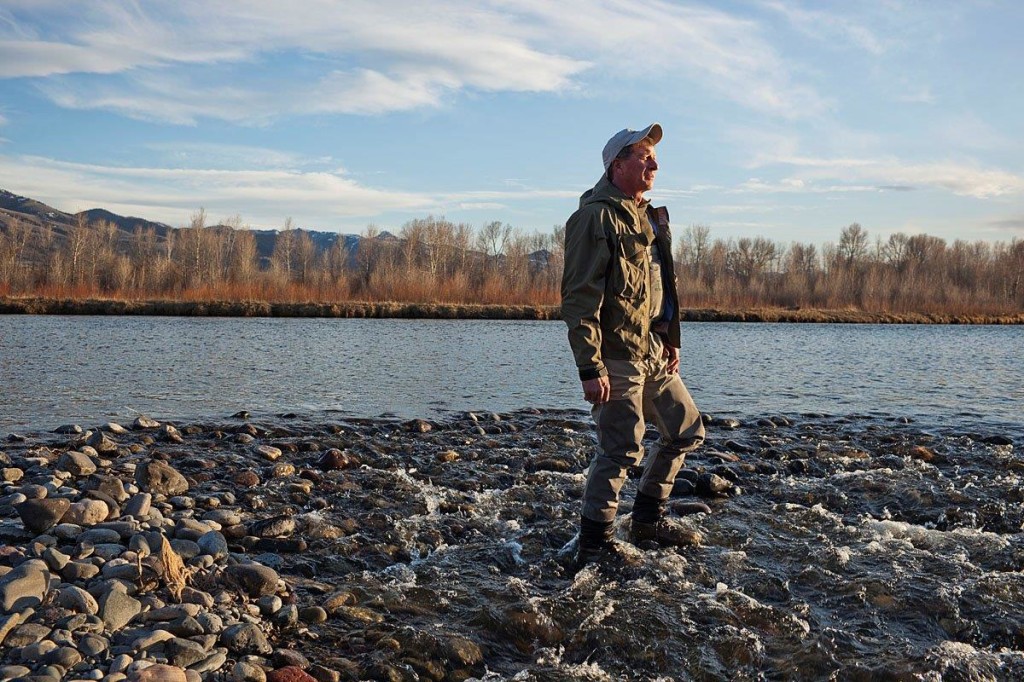
I studied this same phenomena in my own hemisphere last spring, wondering how much of the non-point source pollution in Montana’s Yellowstone River had been caused just within my short lifetime. The perennial dirty brown water exacerbated by denuded riparian buffers, irrigation returns, hardened stream banks and man’s other “utilitarian” measures aimed at “taming” or “managing” her.
On this World Water Day, as our finite and increasingly precious freshwater resources continue to lean ever closer to the tipping point, the weight of our problems and our responsibilities becomes greater. The need for action, for change, for repair, and for restoration increases.
When one travels along the distance of these great rivers, as I have been fortunate to do over my lifetime, it quickly becomes obvious that no single entity – be it a government, a landowner or a corporation – can alter the present path of degradation. And it becomes obvious how much we across the world share many of the same environmental challenges and goals.
To address the most challenging environmental risks to our climate, water and air, it will take us all. For this to happen – businesses, governments and non-profits must all start to see themselves as integral parts of a single, interdependent conservation village.


